
Frozen pretzels offer a convenient and delightful snack, perfect for satisfying cravings with minimal effort! This guide provides
easy baking instructions, ensuring perfectly cooked, golden-brown pretzels every time․ Discover how to transform frozen dough
into a warm, crispy treat, ideal for beginners and seasoned bakers alike․ Enjoy the delicious results of this family recipe!
Why Choose Frozen Pretzels?
Frozen pretzels present a fantastic alternative to making them entirely from scratch, offering significant time savings without compromising on taste or quality․ They are incredibly convenient for spontaneous snack attacks or when you’re short on time but still desire a homemade-style treat․
Unlike some pre-made snacks, frozen pretzels allow you to enjoy the delightful aroma and satisfaction of freshly baked goods․ They provide a blank canvas for customization, allowing you to add your favorite toppings before baking, tailoring them to your preferences․
Furthermore, frozen pretzels often require minimal ingredients beyond the pretzels themselves, simplifying the baking process․ This makes them an excellent option for beginner bakers or those seeking a straightforward recipe․ The quick baking soda boil delivers that traditional pretzel flavor, making it a truly rewarding experience!
Understanding Different Types of Frozen Pretzels
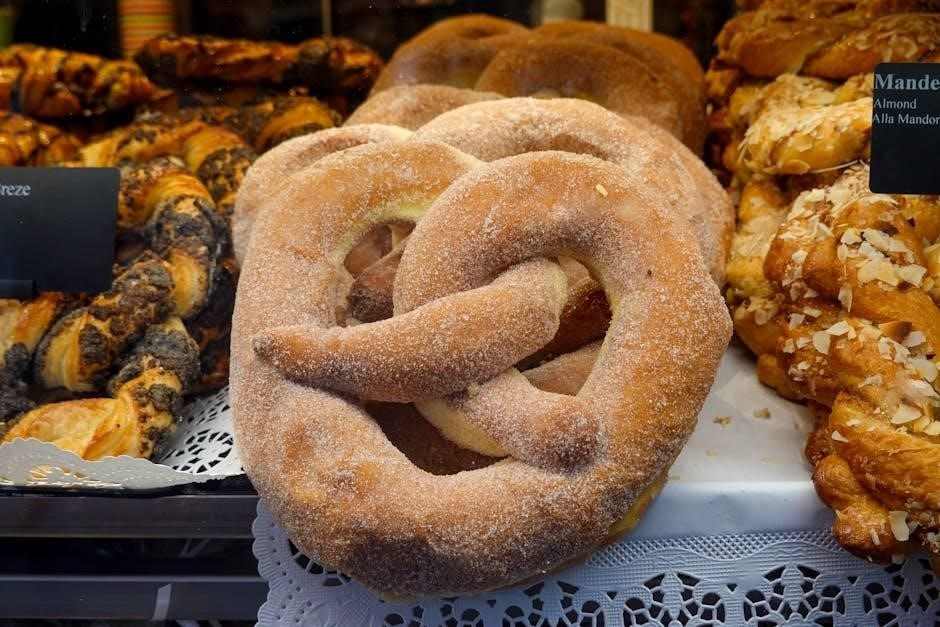
Frozen pretzels aren’t a one-size-fits-all category; variations exist impacting baking times and results․ You’ll commonly find classic Bavarian-style pretzels, recognizable by their distinctive shape and thick build․ These generally require slightly longer baking times to ensure a thoroughly cooked interior․
Pretzel bites, smaller and more numerous, cook much faster and are ideal for dipping․ Some brands offer stuffed pretzels, filled with cheese or other savory ingredients; adjust baking to fully melt the filling․
Pay attention to the package instructions, as dough composition and size vary between brands․ Some frozen pretzels are pre-twisted, while others require shaping․ Understanding these differences ensures you achieve the perfect texture – a golden-brown exterior and a soft, chewy interior – every single time․
Preparing to Bake Frozen Pretzels
Preheating your oven to the correct temperature is crucial for even cooking․ Position the rack in the middle for optimal heat distribution, ensuring
perfectly baked pretzels!
Oven Temperature for Frozen Pretzels
Determining the ideal oven temperature is paramount when baking frozen pretzels․ A consistent and appropriate heat source ensures the pretzels cook thoroughly, achieving that desirable golden-brown exterior and a soft, chewy interior․ Generally, an oven temperature of 450°F (232°C) is recommended for most frozen pretzel varieties․
This temperature strikes a balance, allowing the outside to crisp up quickly while the inside warms through without becoming overly dry or burnt․ It’s a sweet spot that delivers consistently excellent results․ However, always refer to the specific instructions on your pretzel packaging, as some brands may suggest slight variations․
Maintaining this temperature throughout the baking process is key․ Fluctuations can lead to uneven cooking, resulting in some areas being perfectly baked while others remain pale and doughy․ This temperature is perfect for baking frozen pretzels!
Oven Rack Position for Even Cooking
Achieving evenly cooked frozen pretzels hinges significantly on proper oven rack placement․ Positioning the rack correctly ensures consistent heat distribution around the pretzels, preventing hot spots and cold zones that can lead to uneven browning and texture․ The recommended position is the middle rack within your oven․
This central location allows for optimal airflow and heat circulation, enveloping the pretzels from all sides․ Avoid placing the pretzels on the top or bottom rack, as these areas are typically closer to the heating elements and can cause burning or undercooking․
Make sure the oven rack is in the middle position․ This allows for even heat distribution․ Proper rack placement, combined with the correct temperature, is a cornerstone of successful pretzel baking․
Importance of Preheating the Oven
Preheating the oven is a non-negotiable step when baking frozen pretzels, directly impacting their texture and overall quality․ A fully preheated oven establishes a consistent and accurate baking environment from the moment the pretzels are introduced․ This ensures the pretzels begin cooking immediately at the correct temperature, promoting even rising and browning․
Skipping preheating results in a delayed start to the cooking process, potentially leading to unevenly cooked pretzels – a pale exterior and a doughy interior․ Wait until the oven is fully heated․ Preheating usually takes around 10 minutes, but always verify with your oven’s indicator light or a separate oven thermometer․
Preheating ensures the pretzels cook right․ A consistent temperature is key to a perfect bake!
Using an Oven Thermometer for Accuracy
Oven temperatures can be surprisingly inaccurate, varying significantly from the dial setting․ Relying solely on your oven’s built-in thermostat can lead to inconsistent baking results, especially when precision is crucial for perfectly cooked frozen pretzels․
Employing a separate oven thermometer is one of the easiest ways to ensure accurate temperature readings․ Place the thermometer on the middle oven rack, alongside your pretzels, to monitor the actual temperature during baking․ This allows you to adjust the oven setting if necessary, guaranteeing the ideal heat for even cooking and optimal browning․
This simple step elevates your baking game, transforming potentially mediocre pretzels into golden, delicious perfection․ Accuracy is key!

The Baking Soda Wash: Science and Technique
The baking soda boil is essential for traditional pretzel flavor! Don’t skip this step; it creates the signature taste and texture, delivering extra delicious results․
The Role of Baking Soda in Pretzel Flavor
Baking soda, or sodium bicarbonate, is absolutely crucial for achieving the distinctive flavor profile of a traditional pretzel․ It’s not merely about taste, but also about the chemical reactions that occur during the baking process․ The alkaline nature of baking soda alters the surface of the pretzel dough, initiating the Maillard reaction – a chemical reaction between amino acids and reducing sugars – which results in that beautiful, browned crust and complex, slightly savory flavor we associate with pretzels․
Without the baking soda wash, pretzels would lack that characteristic depth of flavor and would be more akin to a simple bread roll․ The brief dip in the baking soda solution raises the pH of the dough’s surface, enabling this crucial browning and flavor development․ It’s a seemingly small step, but it makes a monumental difference in the final product, elevating a simple frozen pretzel to a truly satisfying treat!
Why Baking Soda Appears to “Escape” the Water
The phenomenon of baking soda seemingly “escaping” the water during the pretzel wash is a common observation, and it’s rooted in basic chemistry! It’s not actually disappearing, but rather undergoing a chemical transformation․ When baking soda (a base) is added to water, it reacts to form carbon dioxide gas and sodium carbonate․ This carbon dioxide is what you see bubbling and releasing from the solution, and it contributes to the pretzel’s texture․
The white residue clinging to the sides of the pot isn’t un-dissolved baking soda, but sodium carbonate – a byproduct of the reaction․ It’s less soluble in water than baking soda, hence its deposition on the pan; Don’t be alarmed; this is perfectly normal! You don’t need to continually add more baking soda, as the initial amount is sufficient for the desired alkaline environment․
Correct Baking Soda to Water Ratio
Achieving the perfect pretzel texture hinges on the correct baking soda to water ratio․ A generally recommended guideline is to use approximately 2 tablespoons of baking soda for every 8 cups of water․ This concentration creates a sufficiently alkaline bath crucial for the Maillard reaction – the chemical process responsible for the pretzel’s distinctive brown color and flavor․
While precise measurements aren’t always critical, deviating significantly can impact the final result․ Too little baking soda may yield a pale, less flavorful pretzel, while excessive amounts can impart a metallic taste․ Remember, the goal isn’t to fully dissolve all the baking soda; the reaction and resulting sodium carbonate are key․ Maintaining this balance ensures a beautifully browned, authentically flavored pretzel․
Avoiding Excessive Baking Soda Use
It’s common to observe baking soda seemingly “escaping” the water during the boiling process, forming a white residue on the pot․ This isn’t necessarily an indication that you need to add more! The white substance is primarily sodium bicarbonate precipitating out of the solution as it reacts with water․ Continuously adding more baking soda isn’t the solution; it can actually lead to an unpleasant, soapy taste in your finished pretzels․
Instead of replenishing, focus on maintaining the initial recommended ratio․ The reaction is what matters, not the complete dissolution of the baking soda․ Resist the urge to overcompensate, as excessive baking soda won’t enhance the pretzel’s flavor and may negatively impact the overall taste․ A little goes a long way in achieving that classic pretzel bite!
Baking Instructions: Step-by-Step
Baking frozen pretzels is simple! After the baking soda wash, place them on a baking sheet and bake until golden brown․
Check for doneness using visual cues for a perfect, warm snack!
Baking Time for Frozen Pretzels
Determining the correct baking time for your frozen pretzels is crucial for achieving that perfect texture – crispy on the outside, soft and chewy within․ Generally, a baking time of 12-15 minutes at a temperature of 450°F (232°C) is a solid starting point․ However, this can fluctuate based on several factors, primarily the size and thickness of the pretzels themselves․
Smaller, thinner pretzels will naturally require less time, potentially around 10-12 minutes, while larger, thicker varieties might need the full 15 minutes, or even a couple of minutes more․ It’s always best to err on the side of caution and begin checking for doneness around the 12-minute mark․ Remember, ovens can vary, so consistent monitoring is key to avoiding over or under-baking․ A perfectly baked frozen pretzel is a delightful treat, and a little attention to timing ensures success!
Checking for Doneness: Visual Cues
Successfully baking frozen pretzels relies heavily on recognizing visual cues that indicate they’re perfectly done․ The most obvious sign is a deep, golden-brown color across the majority of the surface․ This rich hue signifies that the Maillard reaction – the chemical process responsible for flavor development – has occurred effectively․
Beyond color, observe the pretzel’s texture․ It should appear firm to the touch, and the surface should have a slightly glossy sheen․ Gently lift a pretzel; a properly baked one will feel relatively light and crisp․ Avoid relying solely on time; visual inspection is far more reliable․ If the pretzels are browning too quickly, reduce the oven temperature slightly․ Remember, a golden-brown color and firm texture are your indicators of pretzel perfection!
Adjusting Baking Time Based on Pretzel Size
Frozen pretzels aren’t always uniform in size, and this variation necessitates adjustments to the baking time․ Smaller, bite-sized pretzels will naturally cook faster than larger, traditional shapes․ Begin checking for doneness a few minutes earlier than the recommended time for larger pretzels․ Conversely, oversized pretzels require extended baking․
If you’re baking a mix of sizes, consider separating them onto different baking sheets for even cooking․ For larger pretzels, add 2-4 minutes to the initial baking time, carefully monitoring their color․ Always prioritize visual cues – a deep golden-brown color – over strict adherence to a timer․ Consistent observation ensures all pretzels reach optimal crispness and flavor, regardless of their individual dimensions․
Enhancing Your Frozen Pretzels
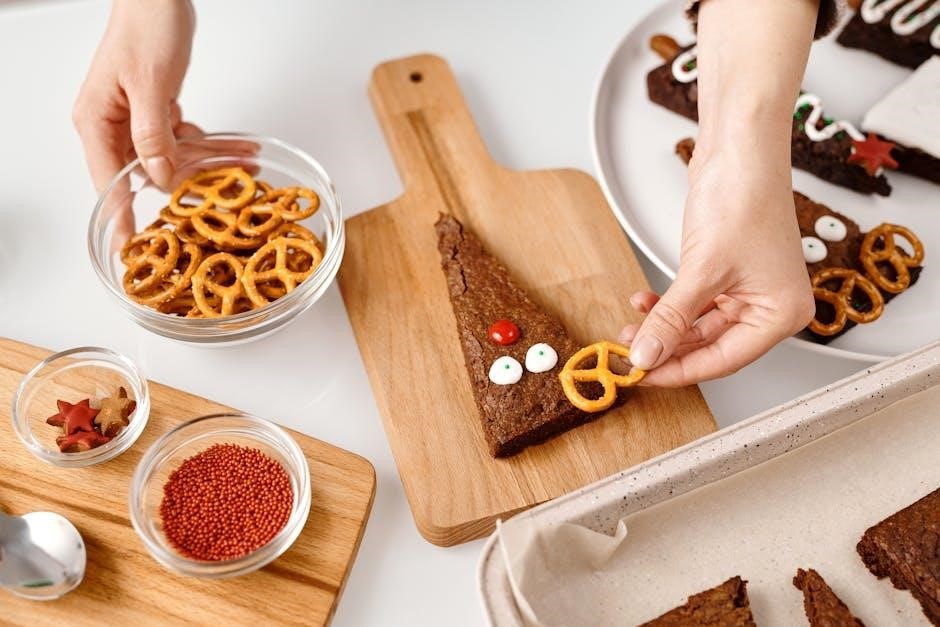
Pretzels become even more appealing with creative toppings! Consider adding coarse salt, cinnamon sugar, or everything bagel seasoning before baking for extra flavor․
Adding Toppings Before Baking
Before baking your frozen pretzels, consider the delightful world of toppings! This is the perfect stage to customize and elevate your snack to a whole new level of deliciousness․ Coarse sea salt is a classic choice, providing a satisfying crunch and enhancing the pretzel’s inherent flavor․ For those with a sweet tooth, a generous sprinkle of cinnamon sugar creates a warm and comforting treat․
Don’t limit yourself to traditional options! Everything bagel seasoning adds a savory and complex flavor profile, while grated Parmesan cheese offers a cheesy indulgence․ Poppy seeds, sesame seeds, or even a light dusting of garlic powder can also transform your pretzels․
To ensure the toppings adhere properly, gently press them onto the surface of the pretzel immediately after the baking soda wash, before placing them in the oven․ This creates a slightly tacky surface for the toppings to cling to during baking․ Experiment and discover your favorite combinations – the possibilities are endless!
Serving Suggestions: Dips and Accompaniments
Freshly baked pretzels are fantastic on their own, but pairing them with complementary dips and accompaniments truly elevates the experience! A classic cheese sauce is always a crowd-pleaser, offering a rich and savory counterpoint to the pretzel’s saltiness․ Mustard, whether yellow, Dijon, or spicy brown, provides a tangy kick that cuts through the richness․
For a sweeter option, consider a chocolate hazelnut spread or a creamy vanilla glaze․ Even a simple honey mustard dip can be surprisingly delightful․ Beyond dips, pretzels also pair wonderfully with sliced cheeses, cured meats, or a hearty chili․
Don’t underestimate the power of presentation! Arrange your pretzels artfully on a platter with a selection of dips and accompaniments for a visually appealing and delicious spread․ Enjoy!
Troubleshooting Common Issues
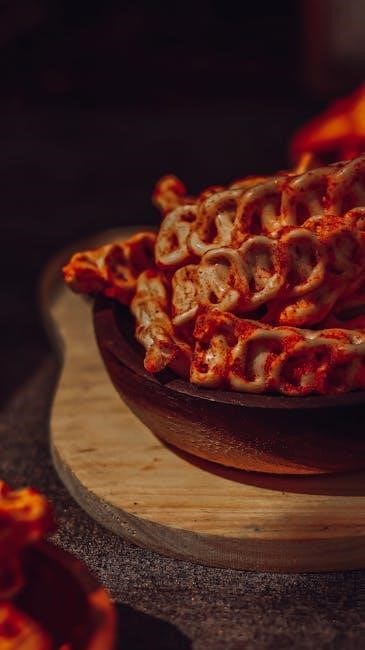
If pretzels aren’t browning, increase baking time slightly․ For hard or dry pretzels, reduce baking duration․ Uneven cooking suggests oven temperature fluctuations—use a thermometer!
Pretzels Not Browning Enough
Pretzels failing to achieve a desirable golden-brown color during baking is a common issue, often easily rectified․ Several factors can contribute to this problem, and understanding them is key to achieving perfectly browned pretzels․ First, ensure your oven is reaching the correct temperature; an inaccurate oven will significantly impact browning;
If the oven temperature is verified, slightly increase the baking time in 2-3 minute increments, carefully monitoring the pretzels to prevent burning․ Another potential cause is overcrowding the baking sheet․ Ensure sufficient space between each pretzel to allow for even heat circulation․
Finally, remember the baking soda wash plays a crucial role in browning․ A properly executed wash contributes to the Maillard reaction, responsible for that appealing color and flavor․ If issues persist, consider a slightly more concentrated baking soda solution for the next batch․
Pretzels Too Hard or Dry
Encountering hard or dry pretzels after baking can be disappointing, but it’s often a simple fix․ The most frequent culprit is overbaking․ Carefully monitor the baking time, and err on the side of slightly underbaking, as carryover heat will continue to cook them after removal from the oven․
Another contributing factor can be an oven that runs hot․ Utilizing an oven thermometer is crucial for accurate temperature control․ If your oven tends to overheat, reduce the baking temperature by 25 degrees Fahrenheit․
Furthermore, ensure the pretzels aren’t exposed to direct heat for an extended period after baking․ Once removed, allow them to cool slightly on a wire rack, preventing moisture loss from direct contact with a hot baking sheet․
Unevenly Cooked Pretzels
If your frozen pretzels are exhibiting uneven cooking – some areas browned while others remain pale – several factors could be at play․ First, confirm your oven rack is positioned correctly in the center․ This ensures consistent heat distribution throughout the oven cavity, promoting even baking․
Secondly, avoid overcrowding the baking sheet․ Allow sufficient space between each pretzel to facilitate proper air circulation․ Overcrowding restricts airflow, leading to inconsistent browning and cooking․ Rotating the baking sheet halfway through the baking process can also help equalize heat exposure․
Finally, ensure your oven is thoroughly preheated before introducing the pretzels․ A cold oven will result in uneven cooking, as the pretzels won’t receive consistent heat from the start․
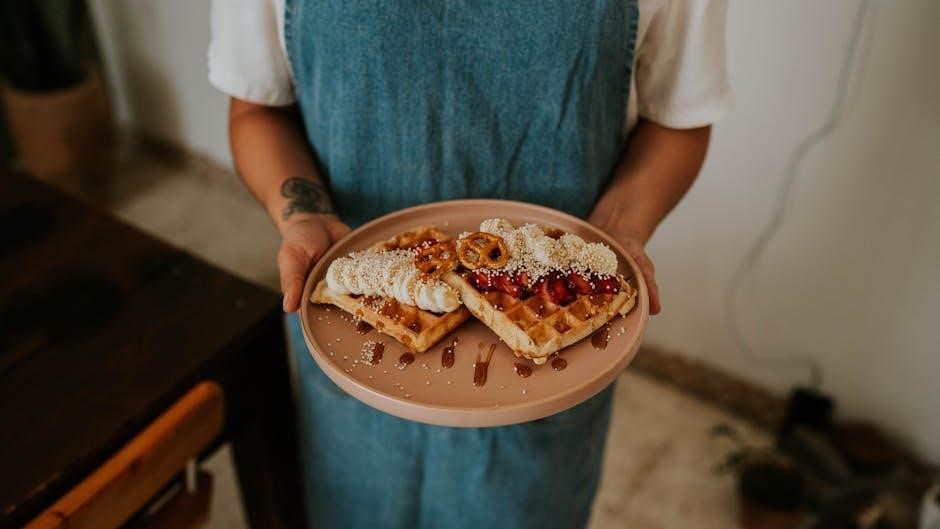
Advanced Techniques
Frozen pretzel perfection involves recreating a soft texture! Experiment with different baking sheets – dark metal enhances browning, while parchment paper prevents sticking;
Recreating a Soft Pretzel Texture
Achieving that authentic, soft pretzel texture with frozen varieties requires a bit more finesse than simply baking․ The key lies in managing moisture levels both during and after the baking process․ While frozen pretzels are convenient, they sometimes lack the chewiness of freshly made ones․
To combat this, consider briefly steaming the pretzels after baking․ Place the baked pretzels on a wire rack over a pot of simmering water for a minute or two – this reintroduces moisture into the crust․ Another trick is to brush the warm pretzels with melted butter immediately after removing them from the oven; this creates a softer, more pliable exterior․
Don’t overbake! Slightly underbaking and utilizing the steaming/buttering technique will yield a far superior, softer pretzel experience, closely mimicking the texture of a traditional, freshly baked soft pretzel․
Experimenting with Different Baking Sheets
The type of baking sheet you use can subtly impact the outcome when baking frozen pretzels․ Dark metal sheets absorb heat more quickly, potentially leading to a browner, crispier crust, but also a higher risk of burning․ Lighter-colored sheets distribute heat more evenly, promoting a more uniformly golden finish․
Silicone baking mats are excellent for preventing sticking and creating a slightly softer bottom crust․ However, they can sometimes inhibit browning․ Parchment paper offers a good balance – it prevents sticking while allowing for decent browning․
For maximum crispness, consider using a perforated baking sheet, which allows air to circulate underneath the pretzels․ Experimenting with different sheets will help you discover which yields your preferred texture and color!
Resources and Recipes
For further guidance and inspiration, explore Sally’s Baking 101! Discover high-quality frozen pretzel brands to elevate your baking experience and enjoy!
Sally’s Baking 101 Reference
Sally’s Baking 101 serves as an invaluable resource for bakers of all skill levels, offering detailed explanations and foolproof recipes․ Within its pages, you’ll find a wealth of knowledge extending beyond just frozen pretzels, encompassing fundamental baking techniques and troubleshooting tips․ This New York Times best-selling cookbook provides a solid foundation for understanding the science behind baking, empowering you to confidently tackle various recipes․
Specifically regarding pretzels, Sally’s Baking 101 emphasizes the importance of the baking soda wash, detailing its role in achieving that signature pretzel flavor and characteristic brown crust․ The book clarifies the chemical reaction occurring during the wash, explaining why baking soda appears to dissipate into the water – it’s not disappearing, but reacting! It also stresses the significance of precise oven temperature and preheating for optimal results, ensuring evenly cooked and delightfully chewy pretzels․
Referencing Sally’s Baking 101 will undoubtedly enhance your frozen pretzel baking journey, providing a deeper understanding of the process and helping you consistently achieve bakery-quality results at home․
Finding High-Quality Frozen Pretzel Brands
Selecting a high-quality frozen pretzel brand is crucial for achieving optimal baking results and enjoying a truly satisfying snack․ Look for brands that utilize simple ingredient lists, avoiding excessive additives or preservatives․ A good pretzel dough should primarily consist of flour, water, yeast, and a touch of salt – the foundation of a classic pretzel․
Several brands consistently receive positive reviews for their texture and flavor․ Consider exploring options from reputable bakeries or grocery store brands known for their frozen dough products․ Reading online reviews and comparing customer feedback can provide valuable insights into different brands’ performance․
Ultimately, the best brand will depend on your personal preferences․ Experimenting with a few different options will help you discover which frozen pretzels consistently deliver the perfect chewiness, flavor, and browning potential for your baking needs․
Enjoying Your Perfectly Baked Frozen Pretzels
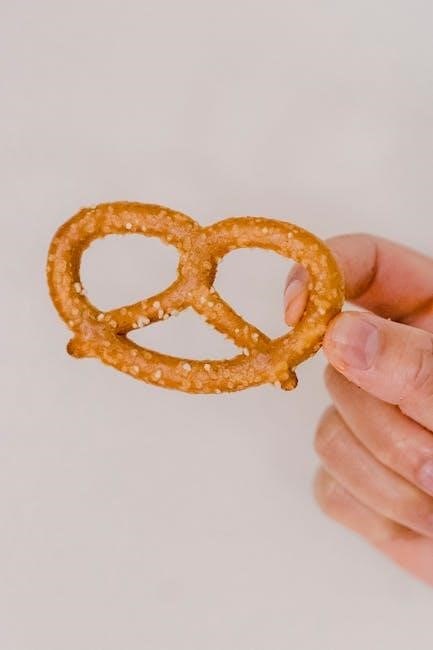
Congratulations on mastering the art of baking frozen pretzels! With a little attention to detail – proper oven temperature, the crucial baking soda wash, and mindful baking times – you can consistently enjoy warm, golden-brown pretzels that rival those from a bakery․ Remember, a perfectly baked pretzel is a delightful treat on its own, but the possibilities for enhancement are endless․
Don’t hesitate to experiment with various toppings, from coarse salt and cinnamon sugar to savory seasonings․ Pair your freshly baked pretzels with your favorite dips, such as cheese sauce, mustard, or even a sweet cream cheese frosting․
Enjoy the satisfaction of creating a delicious snack with ease, and savor every bite of your perfectly baked frozen pretzels!