
Psilocybin Magic Mushroom Growers Guide: A Comprehensive Plan
Embark on a fascinating journey into mycology! This guide details cultivating psilocybin mushrooms‚ offering detailed steps for success and responsible exploration․
Welcome to the captivating world of psilocybin mushroom cultivation! This practice‚ historically rooted in spiritual and medicinal traditions‚ now attracts enthusiasts seeking personal growth and understanding․ Cultivating these fungi requires patience‚ meticulousness‚ and a commitment to sterile techniques․
This guide provides a comprehensive roadmap‚ from understanding basic mycology to mastering advanced cultivation methods․ We will explore the lifecycle of Psilocybe cubensis‚ emphasizing safety‚ legality‚ and ethical considerations throughout the process․
Understanding the Legal Landscape
Navigating the legalities surrounding psilocybin mushrooms is crucial․ Possession‚ cultivation‚ and sale are generally prohibited under federal law‚ classified as a Schedule I controlled substance․ However‚ a growing movement towards decriminalization and legalization is emerging globally․
This section will outline the current legal status‚ emphasizing the importance of researching and adhering to local regulations․ Disclaimer: This guide does not endorse illegal activities; it aims to inform․
Global Legality Overview
Worldwide‚ psilocybin’s legal status varies significantly․ Many countries maintain strict prohibitions‚ with severe penalties for offenses․ However‚ several nations are exploring therapeutic applications‚ leading to controlled legal access for research or medical use․
Notable examples include the Netherlands (limited tolerance)‚ Jamaica (decriminalized possession)‚ and Canada (access for end-of-life care)․ This overview provides a broad snapshot‚ but local laws always prevail․
Regional Variations & Decriminalization Efforts
North America showcases diverse approaches; Oregon decriminalized possession and allows regulated psilocybin-assisted therapy․ Several US cities‚ like Denver and Oakland‚ have also decriminalized․ Canada permits psilocybin for compassionate end-of-life care․
Europe’s landscape is fragmented‚ with the Netherlands tolerating sales of truffles containing psilocybin․ Ongoing advocacy efforts push for broader reform‚ focusing on therapeutic potential and harm reduction strategies․
Essential Equipment & Supplies
Successful cultivation demands specific tools․ A pressure cooker is vital for sterilizing substrates․ A still air box (SAB) minimizes contamination risks during inoculation․ You’ll need substrate materials like brown rice flour‚ vermiculite‚ and rye grain․
Further necessities include spore syringes‚ isopropyl alcohol for sanitation‚ gloves‚ masks‚ and containers for cultivation – monotubs or jars․ Accurate scales and thermometers are also crucial for monitoring conditions․
Sterilization Equipment (Pressure Cooker‚ Still Air Box)
A pressure cooker is paramount for achieving complete substrate sterilization‚ eliminating competing organisms․ 15 PSI for 90-120 minutes is standard․ A still air box (SAB) provides a contained‚ relatively sterile workspace for inoculation;
Constructing a SAB is affordable; a clear plastic tote and armholes suffice․ Proper sterilization of the SAB’s interior with isopropyl alcohol before each use is essential for maintaining a clean environment․

Substrate Materials (Brown Rice Flour‚ Vermiculite‚ Rye Grain)
Substrate choice impacts yield․ Brown rice flour (BRF) and vermiculite are popular for beginner-friendly PF Tek․ Vermiculite retains moisture‚ while BRF provides nutrients․ Rye grain is favored for bulk grows‚ offering superior colonization speed․
Proper hydration is key; BRF/Vermiculite should be field capacity – moist but not dripping․ Rye grain requires pre-soaking and simmering‚ then drying to prevent bacterial growth before sterilization․
Spore Syringes & Culture Selection
Spore syringes contain microscopic spores suspended in sterile water‚ the starting point for cultivation․ Culture selection dictates potency and growth characteristics; research strains carefully!
Reputable vendors are crucial to ensure genetic purity and viability․ Look for syringes with a visible sediment‚ indicating spore presence․ Liquid cultures offer faster colonization but require more advanced sterile technique․
Choosing a Cultivation Method
Selecting the right method is vital for success‚ dependent on experience and resources․ PF Tek is ideal for beginners‚ utilizing simple materials and minimal equipment․
Monotubs offer larger yields with bulk substrates‚ demanding more precise sterilization․ Grain Spawn to Bulk (GBT) is an advanced technique‚ maximizing efficiency but requiring significant skill․ Consider your comfort level!
PF Tek – The Beginner’s Method
PF Tek‚ pioneered by Psilocybe Fanaticus‚ is a simple‚ low-cost method․ It utilizes brown rice flour‚ vermiculite‚ and water to create nutrient-rich substrate “cakes․”
These cakes are sterilized‚ inoculated with spores‚ and colonized․ Fruiting occurs after casing with vermiculite․ PF Tek is forgiving‚ making it perfect for first-time growers‚ offering a gentle introduction to mycology․
Monotub – Bulk Substrate Cultivation
Monotubs represent a significant step up in yield․ This method employs a larger volume of substrate – typically a mix of coco coir‚ vermiculite‚ and gypsum – within a modified plastic tub․
Grain spawn is mixed thoroughly with the bulk substrate‚ providing a robust nutrient base․ Monotubs require diligent humidity and FAE management‚ rewarding growers with substantial flushes of mushrooms․
Grain Spawn to Bulk Substrate (GBT) – Advanced Technique
The Grain to Bulk Transfer (GBT) method is favored by experienced cultivators․ It involves transferring fully colonized grain spawn to a prepared bulk substrate‚ like coco coir and vermiculite․
This technique maximizes yield potential and offers greater control over the fruiting environment․ Maintaining strict sterile conditions during transfer is crucial to prevent contamination and ensure a successful grow․
Sterilization & Preparation
Achieving a sterile environment is paramount for successful cultivation․ Contamination from bacteria or mold can quickly ruin a grow‚ so meticulous preparation is essential․
This phase focuses on eliminating competing microorganisms from substrates and tools․ Proper sterilization techniques‚ utilizing pressure cookers or alcohol wipes‚ are vital for a clean and productive mushroom journey․
Substrate Sterilization Procedures
Pressure cooking is the gold standard for substrate sterilization․ Load jars or bags with prepared substrate‚ adding a vermiculite layer for moisture retention; Process at 15 PSI for 90-120 minutes‚ depending on volume․
Allow the pressure cooker to cool completely before opening․ Inspect for any signs of contamination before inoculation․ Properly sterilized substrate is the foundation of a healthy mushroom colony․
Creating a Sterile Work Environment
Maintaining sterility is paramount to prevent contamination․ A still air box (SAB) provides a basic‚ cost-effective solution․ Thoroughly disinfect the SAB and surrounding area with 70% isopropyl alcohol․
Minimize airflow and movement during inoculation․ Wear gloves‚ a mask‚ and consider a hairnet․ Flame sterilize inoculation loops and syringe needles before and after each use‚ ensuring a clean workspace․
Inoculation Process
Inoculation introduces the mushroom spores to the sterilized substrate․ Within the sterile environment‚ inject the spore solution through the self-sealing injection port of your prepared jars or bags․
Distribute the spores evenly by injecting into multiple points․ Avoid direct contact between the needle and the substrate․ Seal the injection ports with micropore tape immediately after inoculation to maintain sterility․
Spore Syringe Preparation & Injection
Before injection‚ gently shake the spore syringe to evenly distribute the spores within the solution․ Flame sterilize the needle with a butane torch until red hot‚ then allow it to cool completely․
Wipe the injection port with an alcohol swab․ Insert the sterilized needle through the port and slowly inject the spore solution‚ aiming for multiple points within the substrate․
Maintaining Sterility During Inoculation
Sterility is paramount during inoculation! Work within a still air box or utilize a laminar flow hood to minimize contamination risks․ Avoid talking‚ coughing‚ or making unnecessary movements near the inoculation area․
Sanitize gloves frequently with isopropyl alcohol and ensure all surfaces are thoroughly cleaned․ Seal injection holes immediately with micropore tape to prevent airborne contaminants from entering․
Colonization Phase
The colonization phase is crucial for mycelial growth! Maintain a consistent temperature between 75-80°F (24-27°C) for optimal development․ Darkness is preferred during this stage; avoid direct light exposure․
Monitor for signs of contamination – discolored patches or unusual odors indicate potential issues․ Patience is key; full colonization can take several weeks‚ depending on the substrate and strain․
Optimal Temperature & Humidity
Maintaining ideal conditions is vital during colonization! Aim for a consistent temperature of 75-80°F (24-27°C) and high humidity‚ around 90-95%․ This encourages rapid mycelial growth throughout the substrate․
Monitor closely with a thermometer and hygrometer․ Fluctuations can stress the mycelium‚ increasing contamination risk and slowing down the colonization process significantly․
Identifying & Preventing Contamination
Vigilance is key! Common contaminants include green mold (Trichoderma)‚ cobweb mold‚ and bacterial blotch․ Early detection is crucial; look for unusual colors or textures․
Prevention relies on strict sterilization and a sterile work environment․ Proper technique‚ HEPA filtration‚ and diligent cleaning minimize risks․ Isolate suspect areas immediately to prevent spread․
Fruiting Conditions
Initiating fruiting requires a shift in environmental parameters․ Lower temperatures (65-75°F / 18-24°C) and increased humidity (90-95%) are vital․ Indirect light encourages pinning – avoid direct sunlight!
Maintaining consistent conditions is paramount․ Regular misting‚ proper ventilation for FAE‚ and monitoring humidity levels will maximize yields․ Patience is also a virtue during this phase․
Light‚ Temperature‚ and Humidity for Fruiting
Optimal fruiting demands precise control․ Maintain temperatures between 65-72°F (18-22°C) and humidity at 90-95%․ Indirect‚ ambient light – like a windowsill’s – is sufficient; direct light inhibits growth․
Consistent monitoring is key․ Fluctuations can stress the mycelium‚ reducing yields․ A small humidifier and regular misting help maintain ideal humidity levels for robust mushroom development․
FAE (Fresh Air Exchange) Management
Proper FAE is crucial for healthy mushroom development․ Mushrooms respire‚ consuming oxygen and releasing carbon dioxide; insufficient exchange leads to CO2 buildup‚ causing leggy‚ deformed fruits․
Regularly fan your grow environment several times daily‚ or implement a small automated fan on a timer․ Aim for subtle air movement – avoid direct blasts‚ which can dry out the substrate․
Harvesting & Drying
Harvesting at the veil breaking point maximizes potency․ Gently twist and pull mushrooms from the substrate‚ minimizing damage․ Remove all aborts – small‚ undeveloped pins – to encourage further flushes․
Drying is essential for preservation․ Use a dehydrator at a low temperature (around 95-115°F) or employ a desiccant method․ Mushrooms are fully dry when brittle and snap easily․
Identifying Mature Mushrooms
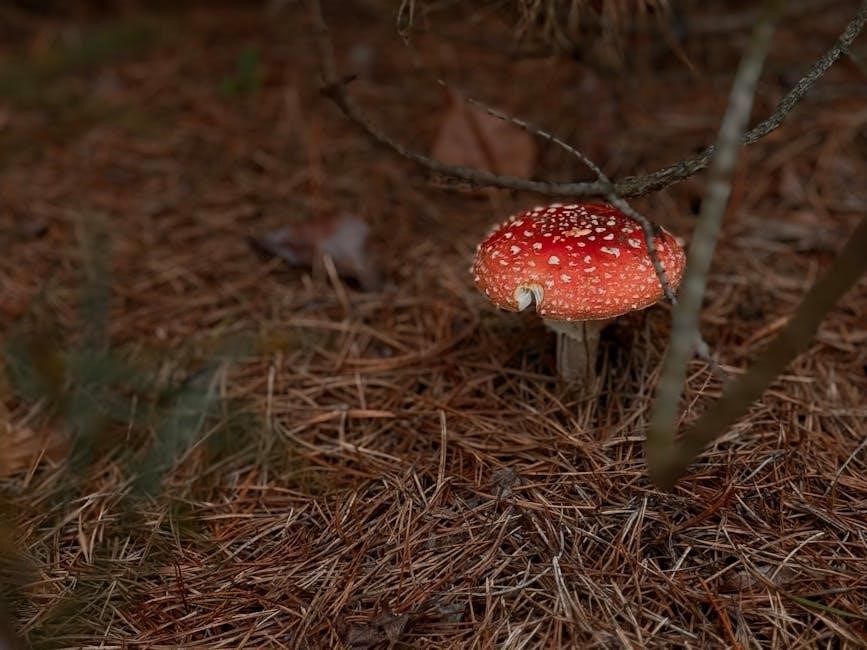
Determining maturity is crucial for optimal potency․ Look for the veil‚ the membrane connecting the cap to the stem‚ beginning to tear or “break․” This signals peak psilocybin content․
Caps will also flatten and edges may curl upwards․ Avoid harvesting too early or too late; timing impacts both yield and psychoactive strength․ Observe closely for these key indicators!
Proper Harvesting Techniques
Harvesting requires a gentle touch to avoid substrate contamination and bruising․ Grasp the mushroom base firmly and twist gently‚ lifting it from the substrate․ Avoid pulling straight up‚ which can damage mycelium․
Use a sterile scalpel or knife for a clean cut if twisting proves difficult․ Remove any remaining mushroom bits to prevent rot and encourage a second flush․
Drying Methods for Long-Term Storage
Proper drying is crucial for preserving potency and preventing degradation․ A food dehydrator‚ set to a low temperature (around 130°F or 54°C)‚ is ideal․ Alternatively‚ use a fan for airflow over a drying rack․
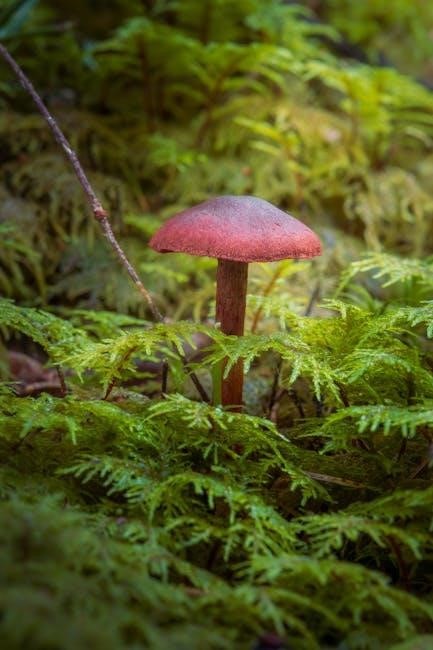
Mushrooms are dry when they snap easily‚ not bend․ Store in airtight containers with a desiccant packet‚ in a cool‚ dark‚ and dry place․
Troubleshooting Common Issues
Cultivation isn’t always smooth; issues arise․ Green mold signifies contamination – discard the affected substrate immediately․ Slow colonization may indicate low temperature or insufficient humidity․
Small pins failing to mature often point to inadequate FAE․ Addressing these problems promptly maximizes yield and ensures a successful harvest‚ requiring careful observation․
Contamination Identification & Remediation
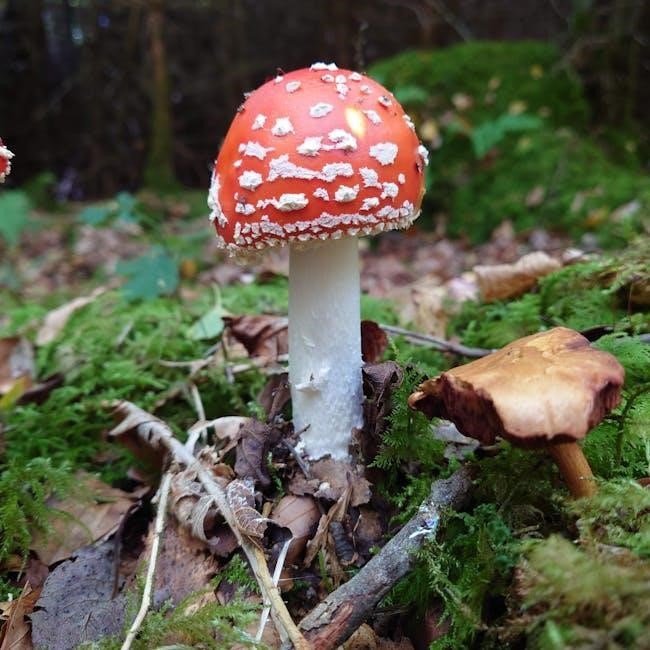
Recognizing contamination is crucial․ Common culprits include green (Trichoderma)‚ black (Aspergillus)‚ and cobweb molds․ Early detection is key; isolate affected areas immediately․
Minor contamination may be salvaged with careful removal‚ but significant outbreaks necessitate disposal․ Maintaining strict sterile technique prevents future issues‚ safeguarding your grow․
Slow Colonization & Fruiting Problems
Delayed colonization often signals suboptimal conditions․ Check temperatures – typically 75-80°F is ideal․ Insufficient humidity or poor substrate preparation can also hinder growth․
Fruiting issues may stem from inadequate FAE (Fresh Air Exchange) or insufficient light․ Ensure proper ventilation and indirect light exposure․ Patience is vital; sometimes‚ it simply takes time!
Advanced Techniques & Experimentation
For experienced growers‚ explore techniques like agar work for isolating strains‚ creating custom substrates with varied nutrient ratios‚ and experimenting with different fruiting chamber designs․
Genetic crosses can yield unique varieties‚ but require meticulous record-keeping․ Consider utilizing coco coir or fully supplemented bulk substrates for increased yields and potency․ Document everything!
Safety Precautions & Responsible Use
Prioritize safety throughout the cultivation process․ Wear appropriate protective gear during sterilization and handling of substrates․ Understand the potential psychological effects of psilocybin and consume responsibly‚ if legally permissible․
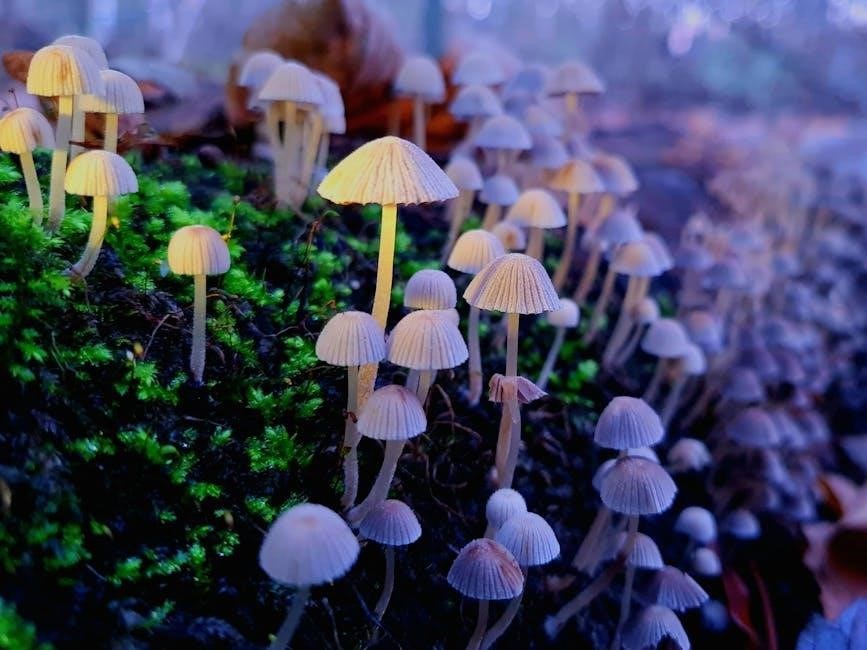
Never share mushrooms with individuals who are unprepared or have pre-existing mental health conditions․ Respect local laws and regulations regarding psilocybin․
Resources & Further Learning
Expand your knowledge beyond this guide! Explore online forums like Shroomery․org for community support and advanced techniques․ Books by Paul Stamets‚ such as “Psilocybin Mushrooms of the World‚” offer invaluable insights․
Consider mycological societies for workshops and networking opportunities․ Reliable websites and scientific publications provide updated research on psilocybin and fungi․
Ethical Considerations
Cultivation carries responsibility․ Respect the power of psilocybin and prioritize safety‚ both for yourself and others․ Adhere to local laws and regulations regarding possession and use․
Consider the source of your spores and support ethical suppliers․ Promote responsible use and education to reduce harm and foster a respectful relationship with these sacred fungi․
Cultivating psilocybin mushrooms is more than a hobby; it’s a journey of learning and respect․ Embrace the challenges‚ celebrate successes‚ and continue expanding your knowledge of the fungal kingdom․
Responsible cultivation and mindful use contribute to a deeper understanding of these powerful organisms and their potential benefits․ The path of the mycologist is one of continuous discovery․